Author Archives: admin

Categories Stylerio, Traditional

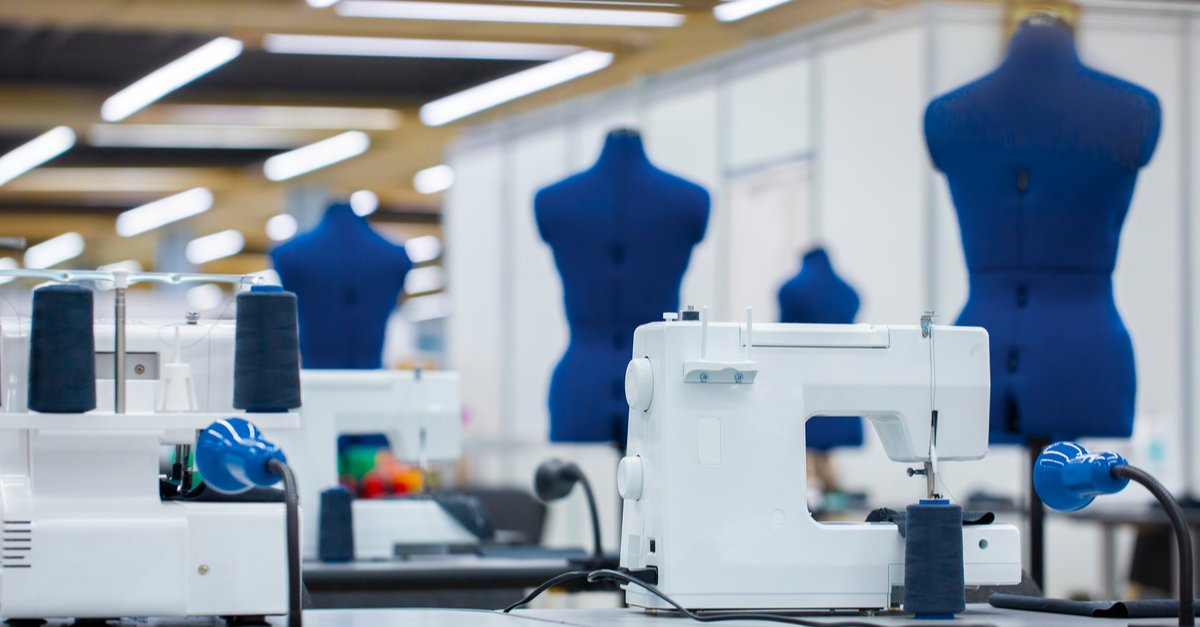
Best Fabric Supplier for Your Fashion Business

When you’re traversing the fabric landscape for your fashion business, choosing the right supplier can make all the difference in quality and sustainability. You might consider well-known options like Denver Fabrics or Mood Fabrics in the USA, or explore European suppliers who prioritize eco-friendly practices. But what about those innovative solutions coming from Asia? The decision isn’t just about variety; it’s also about reliability and alignment with your brand’s values. As you weigh these factors, think about how they could impact your production process and ultimately, your brand’s success. What criteria will guide your choice?

Top Fabric Suppliers in the USA

When diving into the fashion world, choosing the right fabric supplier can make all the difference in your projects.

Several key players stand out in the USA. Denver Fabrics offers a vast selection of high-quality materials ideal for various designs. Mood Fabrics, located in New York City and Los Angeles, is renowned for its trendy collections, ensuring you stay ahead in the fashion game. Fabric.com caters to enthusiasts with a diverse range of designer fabrics, while Fabric Wholesale Direct shines with competitive pricing for bulk orders.

Finally, Fabric Selection Inc. provides personalized service and industry expertise, making them a trusted partner.

Leading Fabric Suppliers in Europe

Choosing the right fabric supplier can greatly impact your fashion business, and while the USA boasts some fantastic options, Europe is home to leading suppliers that offer unique advantages.

European fabric suppliers stand out with their diverse product range, encompassing cotton, polyester, and luxurious blends, all crafted with an emphasis on quality. Many prioritizing sustainability, these suppliers are committed to eco-friendly practices, meeting the growing demand for responsible fashion. They often provide customization options, allowing you to create unique designs that resonate with your brand.

With extensive distribution networks across key textile hubs like Italy, Spain, and Germany, you can guarantee timely access to high-quality materials. Partnering with a European supplier can elevate your fashion line to meet discerning quality standards.
Notable Fabric Suppliers in Asia

Asia’s textile industry is a powerhouse, housing some of the most notable fabric suppliers in the world. If you’re looking for quality and variety, consider Shandong Ruyi Technology Group, a giant in fiber production, or Hengli Group, renowned for its polyester output. Wujiang Canhua stands out with its colored cotton and denim fabrics, meeting diverse design needs. In India, Arvind Mills leads the denim market, while Ashima Dyecot excels in cotton fabrics, contributing considerably to both local and global markets.

These suppliers not only offer exceptional products but also reflect Asia’s competitive edge in textile manufacturing. By partnering with them, you can leverage their expertise and resources to elevate your fashion business.

Essential Factors for Supplier Selection

Selecting the right fabric supplier can make or break your fashion business. You need to reflect on several vital factors to guarantee a successful partnership.

Start by evaluating their maximum and minimum order quantities and lead times—these will directly impact your production schedule. Next, assess their delivery methods and storage capabilities to ensure they align with your logistics needs. Supplier reliability is essential, so confirm their location’s stability and proximity to logistics hubs. Conduct thorough checks on their equipment and raw materials, making sure they meet industry standards.

Don’t overlook communication; assess their responsiveness and customer service, and confirm their certifications.
Advantages of Sustainable Fabric Options

Sustainable fabric options offer undeniable advantages that can elevate your fashion business while making a positive impact on the environment. By choosing materials like organic cotton and hemp, you’ll reduce water usage considerably, vital in water-scarce regions. These fabrics also lower pollution levels, as they’re free from harmful pesticides and synthetic fertilizers, contributing to a cleaner ecosystem.

Additionally, sustainable fabrics have a reduced carbon footprint, often relying on renewable energy during production. With options like Tencel and recycled polyester, you can embrace biodegradability and recyclability, ensuring your designs minimize waste. Adopting these eco-friendly materials not only aligns with consumer trends but also positions your brand as a leader in sustainable fashion, appealing to the conscientious shopper.

Conclusion

So, while you might think picking a fabric supplier is just about finding the prettiest cloth, there’s a whole world of reliability, sustainability, and communication lurking beneath the surface. It’s almost like choosing a partner—pick one who shares your values, or you might end up with a relationship that frays at the seams. Remember, a great fabric supplier doesn’t just provide material; they help weave the very fabric of your brand’s success.

Categories Designing, Stylerio

What Clothes Will Be Trending in 2025? Top Picks for Styles

As we look ahead, it’s safe to say that the fashion landscape will be evolving in ways that might surprise you. By 2025, you’ll likely notice a shift towards vibrant colors and sustainable practices that reflect a more conscious consumer. With brands pushing the envelope on innovation, you’ll want to stay informed about the key pieces and themes that will define this era. What’s on the horizon for your wardrobe might just change the way you think about style altogether.

Key Colors for 2025

As we look ahead to 2025, you’ll want to keep an eye on the vibrant color palette emerging from the fashion scene.Expect vibrant blues to dominate collections, with labels like Chanel and Ralph Lauren showcasing striking cobalt and soft pastels. Minty greens will also make a splash, as seen at Miu Miu and Versace, blending youthfulness with boldness. Meanwhile, creamy neutrals from designers like Louis Vuitton will add sophistication and elegance, while deep maroons will offer rich contrasts in both casual and formal wear.

You’ll also notice the rise of honeyed neutrals, creating warm, inviting atmospheres. With warm earthy tones and invigorating greens, 2025 promises a dynamic and harmonious color experience that you won’t want to miss.

Sustainable Fashion Practices

The vibrant color palette of 2025 is just one aspect of the evolving fashion landscape; sustainable practices are becoming increasingly pivotal as brands respond to consumer demand for eco-consciousness.

You’ll notice a shift toward eco-friendly materials like organic cotton, hemp, and plant-based leathers, which reduce environmental harm. Brands are adopting zero-waste manufacturing and transparent supply chains, ensuring ethical sourcing and fair labor practices. Sustainability takes center stage, with brands integrating eco-friendly materials like organic cotton and recycled fabrics into 80% of their collections. The market for recycled textiles is projected to hit $8.3 billion by 2025. Technological innovation also shapes the industry, as digital-only collections and high-tech fabrics that self-repair gain traction.
Alongside these, cultural shifts emphasize individuality and diversity, moving towards opulent styles and a fondness for vintage clothing.

Finally, narrative-driven fashion emerges as a platform for activism, with designers using their collections to tell stories about pressing social and environmental issues.Together, these themes are redefining what fashion means today and in the future.

Market Trends in Apparel

How are today’s market dynamics reshaping the apparel industry? As global trade reconfigures, brands are diversifying sourcing strategies to align with sustainability goals and rising costs.

With economic deceleration in China, markets like India and Japan are gaining traction. You’re witnessing the emergence of AI-driven curation, transforming how consumers discover products.

Sustainability is no longer optional; 67% of shoppers prefer ethical brands, pushing companies to adopt circular fashion practices. The resale market’s growth reflects a shift toward eco-consciousness, with younger generations leading the charge.

Expect timeless designs and sustainable fabrics to dominate collections, as the industry stabilizes at low revenue growth rates. Ultimately, these trends signal a significant shift towards more responsible and innovative apparel practices.

Personalization and Customization

A growing number of consumers are embracing personalization and customization in fashion, seeking unique expressions of their individual styles.

With advances in AI-driven design, brands can analyze your preferences through data, crafting tailored recommendations that resonate with your tastes. This technology doesn’t just stop at fit; it empowers you to co-create garments that reflect your identity, thanks to 3D printing and digital templates.

Meanwhile, innovative techniques like waterless dyeing and upcycling are gaining traction, minimizing waste. As you embrace sustainable fashion, consider investing in high-quality, modular pieces that support a circular economy.

Technological Innovations in Clothing

In 2025, technological innovations are reshaping clothing in ways that blend functionality with fashion. Smart fabrics are at the forefront, featuring thermochromic and conductive materials that adjust to your needs and connect with wearable tech. Imagine wearing a jacket that regulates temperature or a shirt that monitors your heart rate. Digital fashion design, powered by AI, allows for instant creation based on past trends and your preferences, revolutionizing how clothes are made.

Virtual try-ons enhance your shopping experience, making it more interactive. Additionally, techwear is merging seamlessly with everyday attire, emphasizing sustainable innovations and futuristic designs. As these advancements continue, clothing will evolve into a more personalized, functional, and stylish experience that resonates with your lifestyle.

Trending Fashion Items

Clothing trends in 2025 reflect a dynamic fusion of technology and bold fashion statements, setting the stage for a vibrant season ahead. Maximalist jackets adorned with beads and brocade are back, pairing beautifully with ruffled floral chiffon skirts. Jeweled tops and asymmetrical skirts—popularized by Bottega Veneta—showcase the “more is more” attitude. Floral dresses with lace accents and hot pants are also set to dominate your wardrobe. Sustainable fabrics are on the rise, paving the way for personalized fashion through 3D printing. Expect to see vintage pieces thriving alongside boho chic styles.

Ultimately, animal prints will spice up outfits, particularly when mixed with aquatic influences, making 2025 a year of creative expression and conscious choices.

Influential Fashion Themes

As fashion evolves, influential themes are emerging that reflect both societal values and technological advancements.

As a result, customization now extends beyond mere adjustments—think bespoke designs that celebrate your individuality. The shift toward hyper-personalization enriches your shopping experience, making it more engaging and likely to lead to repeat purchases.

As brands harness AI to predict your needs, expect a future where your wardrobe is a true reflection of you.

Eco-Friendly Materials and Practices

In the evolving landscape of fashion, eco-friendly materials and practices are increasingly taking center stage, reshaping how brands connect with consumers. You’ll find organic cotton, which cuts water usage by 91%, becoming a staple in many collections. Brands like Patagonia and Zara are embracing recycled polyester, transforming plastic waste into stylish garments, markedly reducing landfill impact.

Plant-based dyes and innovative alternatives to leather, like mushroom and pineapple, are also on the rise, reflecting a commitment to sustainability. Circular fashion initiatives, including second-hand and upcycled options, are gaining traction, allowing you to enjoy unique styles while minimizing your environmental footprint.

Conclusion

As you step into 2025, expect fashion to be a vibrant blend of bold colors and sustainable practices. Imagine wearing a stunning cobalt blue jacket made from recycled materials, perfectly paired with modular pieces that adapt to your style. Brands like Miu Miu and Versace are leading the charge, merging innovation with individuality. By embracing these trends, you’ll not only elevate your wardrobe but also contribute to a more eco-conscious fashion future. Get ready to express yourself like never before!

Categories Stylerio, Traditional

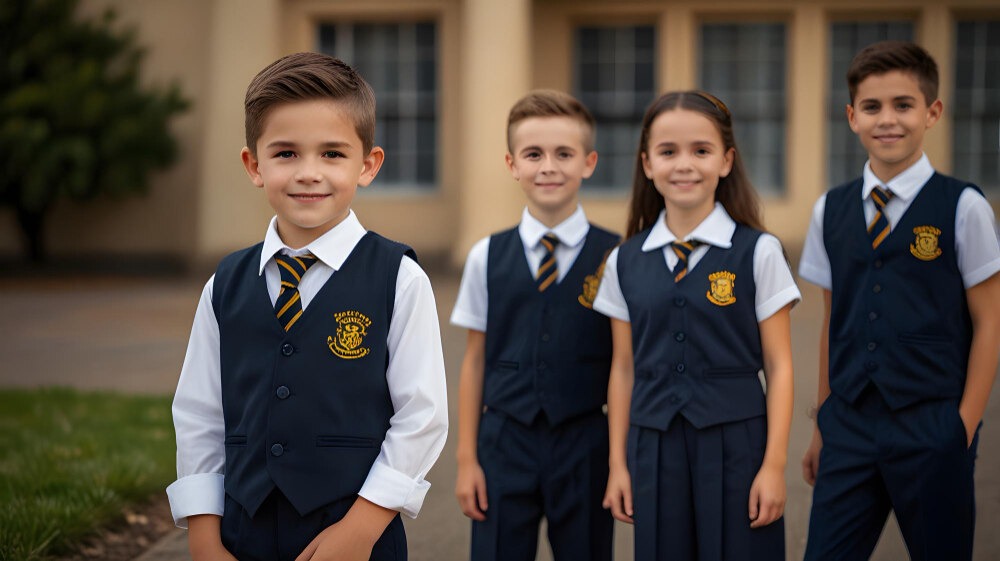
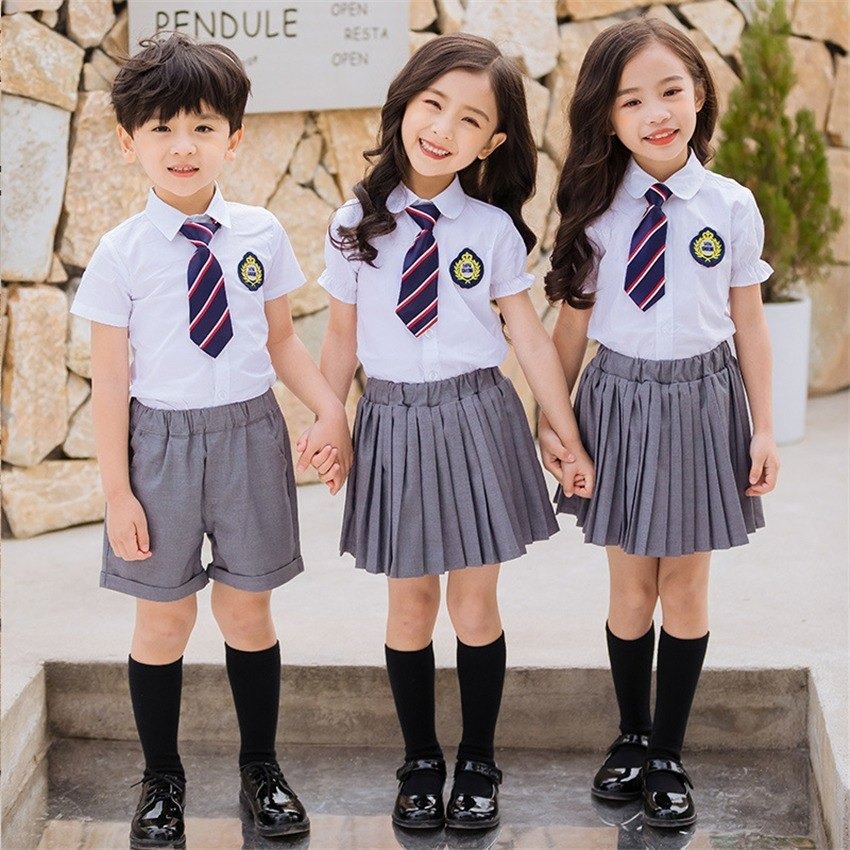
Why Uniforms Are Important in Schools?

When you think about school uniforms, you might consider their role in creating a cohesive environment among students. They not only enhance safety by making it easier to identify who belongs on campus, but they also reduce distractions that can arise from diverse clothing choices. By minimizing socio-economic differences, uniforms can considerably lower instances of bullying and social conflicts. However, the impact of uniforms extends beyond just these aspects—there are deeper implications for academic performance and school culture that warrant further exploration. What might those be?

Enhanced Safety and Security

When you think about school safety, uniforms play an essential role in creating a secure environment. By standardizing attire, uniforms simplify the process of identifying who belongs on campus. This immediate recognition helps staff and law enforcement quickly spot unauthorized individuals, considerably reducing security risks. In emergencies, uniforms enable rapid identification, allowing for swift responses. Additionally, they enhance surveillance, making it easier for security personnel to monitor activities.

Schools with uniforms see a notable decrease in gang-related incidents and violence—by as much as 50%. With uniforms in place, you contribute to a safer atmosphere where potential threats are minimized, and everyone feels secure, fostering a more conducive learning environment for all students.

Reducing Distractions and Improving Focus

Uniforms not only enhance safety but also play a significant role in reducing distractions and improving focus within the school environment. By eliminating competitive dressing, uniforms minimize conflicts and reduce time spent on dress code enforcement, allowing you to concentrate better on your studies. With fewer fashion-related distractions, you can prioritize learning over trends, ultimately fostering a more disciplined atmosphere.

Research indicates that uniforms can even improve attendance and punctuality, as getting ready becomes quicker and simpler. They create a more conducive learning environment, promoting equality among students and encouraging a professional demeanor. When you wear uniforms, you’re not just dressed for school; you’re equipped to engage fully in your education.

Lowering Bullying and Social Conflicts

How can school uniforms considerably reduce bullying and social conflicts among students? By minimizing socio-economic differences, uniforms create a more level playing field. Statistics reveal that schools with uniforms report a 30-50% reduction in bullying incidents. With 89% of teachers agreeing that uniforms play a crucial role in reducing bullying, it’s clear they have a significant impact.

Nearly 70% of students believe uniforms help them fit in, while 66% of parents support uniforms for easing social pressures. When students wear the same attire, they’re less likely to be targeted based on clothing choices, therefore decreasing social conflicts and enhancing classroom dynamics.

Fostering Camaraderie and Belonging

By creating a shared identity among students, school uniforms markedly foster camaraderie and belonging within the school community.

When everyone wears the same attire, it levels the playing field, reducing visible markers of social status and alleviating peer pressure tied to clothing choices. This uniformity promotes inclusivity, making students feel valued for their character rather than their appearance.

As a result, uniforms cultivate a sense of belonging, uniting individuals from diverse socioeconomic backgrounds. Additionally, they enhance school spirit, encouraging pride and a collective identity among students.

Academic Achievement Implications

The sense of belonging fostered by uniforms extends beyond social dynamics and into academic settings, where their impact on student achievement can’t be ignored. Uniforms can lead to improved attendance rates, especially among older students, which is essential since consistent attendance often correlates with better academic performance.

By eliminating fashion distractions, you create a focused learning environment, allowing students to engage more fully in class. Studies show modest improvements in language test scores in middle and high school, highlighting the benefits of a unified dress code.

Although the overall effect on academic achievement may be mixed, the reduction in socio-economic barriers and bullying fosters a more disciplined atmosphere, ultimately supporting a culture of learning that benefits all students.

Conclusion

To sum up, you can see how uniforms play a pivotal role in shaping a positive school environment. By enhancing safety, reducing distractions, and fostering a sense of belonging, uniforms not only elevate the overall school culture but also help you focus on what truly matters—your education. It’s funny how something as simple as what you wear can create such a big impact, proving that sometimes, the smallest changes lead to the greatest benefits.

Categories Designing, Stylerio

What Sets HomeKit Solutions Apart? Our Client-Centric Approach to Garment Sourcing

This post can highlight client testimonials, specifically the 5-star reviews that showcase HomeKit Solutions’ dedication to exceptional service and customer satisfaction.

Information about specific natural and synthetic textile fibres such as wool, mohair, nylon, and polyester are treated in separate articles.


  • Ignites at a higher temperature than cotton

  • Widely used in number of textile products.

Personalized Service: HomeKit’s dedication to understanding each client’s brand, goals, and unique requirements.Quality Assurance at Every Step: Detailing the thorough quality control process that ensures each garment meets client expectations.Transparency and Communication: How HomeKit Solutions maintains open lines of communication with clients, providing regular updates and accommodating special requests.Meeting Tight Deadlines: Real-world examples of how the team has met challenging deadlines while maintaining high standards.

This post builds trust by showcasing HomeKit Solutions’ commitment to personalized, client-focused service that sets them apart from competitors in the industry.

Categories Stylerio, Traditional

The Role of Buying Houses in the Garment Industry: Why Choose HomeKit Solutions?

Introduction
In today’s fast-paced fashion industry, buying houses is critical in connecting global brands with local manufacturers. HomeKit Solutions has established itself as a trusted partner, offering seamless communication, quality assurance, and timely delivery.

What is a Buying House?
Buying houses like HomeKit Solutions act as intermediaries, ensuring that brands and retailers get exactly what they need. From sourcing fabrics to overseeing production, we handle every detail, freeing up brands to focus on design and marketing.

  • Widely used in number of textile products.
  • Ignites at a higher temperature than cotton

Why Brands Rely on Buying Houses

Communication: Buying houses bridge language and cultural barriers, streamlining the supply chain.

Expert Knowledge: With extensive industry experience, buying houses understand market trends and materials.

Quality Control: Ensuring high-quality standards from raw materials to finished garments is vital.

What Sets HomeKit Solutions Apart?
At HomeKit Solutions, we prioritize transparency, reliable timelines, and sustainable practices. Our client-centric approach is backed by a team committed to delivering results, no matter the size or complexity of the project.

Categories Designing, Stylerio

Current Trends in the Garment Industry and How HomeKit Solutions Keeps Up

The fashion and garment industry is rapidly evolving, with sustainability, ethical sourcing, and fast-fashion demands taking the spotlight. This post can highlight:

  • Widely used in number of textile.
  • Ignites at a higher than cotton

Sustainable and Ethical Sourcing: How HomeKit Solutions responds to the growing demand for sustainable materials and ethical practices, sourcing eco-friendly fabrics and partnering with factories that ensure fair labor practices.Adaptation to Market Changes: The ways HomeKit Solutions adapts to fast-changing fashion trends, offering a quick turnaround on popular styles without compromising on quality.Innovative Materials: The exploration of alternative materials like recycled fibers, organic cotton, and biodegradable packaging.Customized Manufacturing Solutions: How HomeKit Solutions supports brands in innovating and producing unique products that meet current market demands.

This post positions HomeKit Solutions as a forward-thinking partner for brands looking to stay relevant and responsible in a dynamic market.